
Virtual and Private Music Classes
Join instructor Barbod Valadi for a series of private and virtual classes aimed at helping you hone your Guitar, Piano and Persian Tar and Setar skills. We will focus on sight reading notation, learning chords, fingering, hand and posture positions, composition, perspective, contour, representing volume, and more!
Do you have questions, want to get free music lesson, want to book a musician, or collaborate with a guitarist on a new piece? Reach out, and let’s make magic happen.
Registration Form


Free online music lessons on YouTube!
Blog
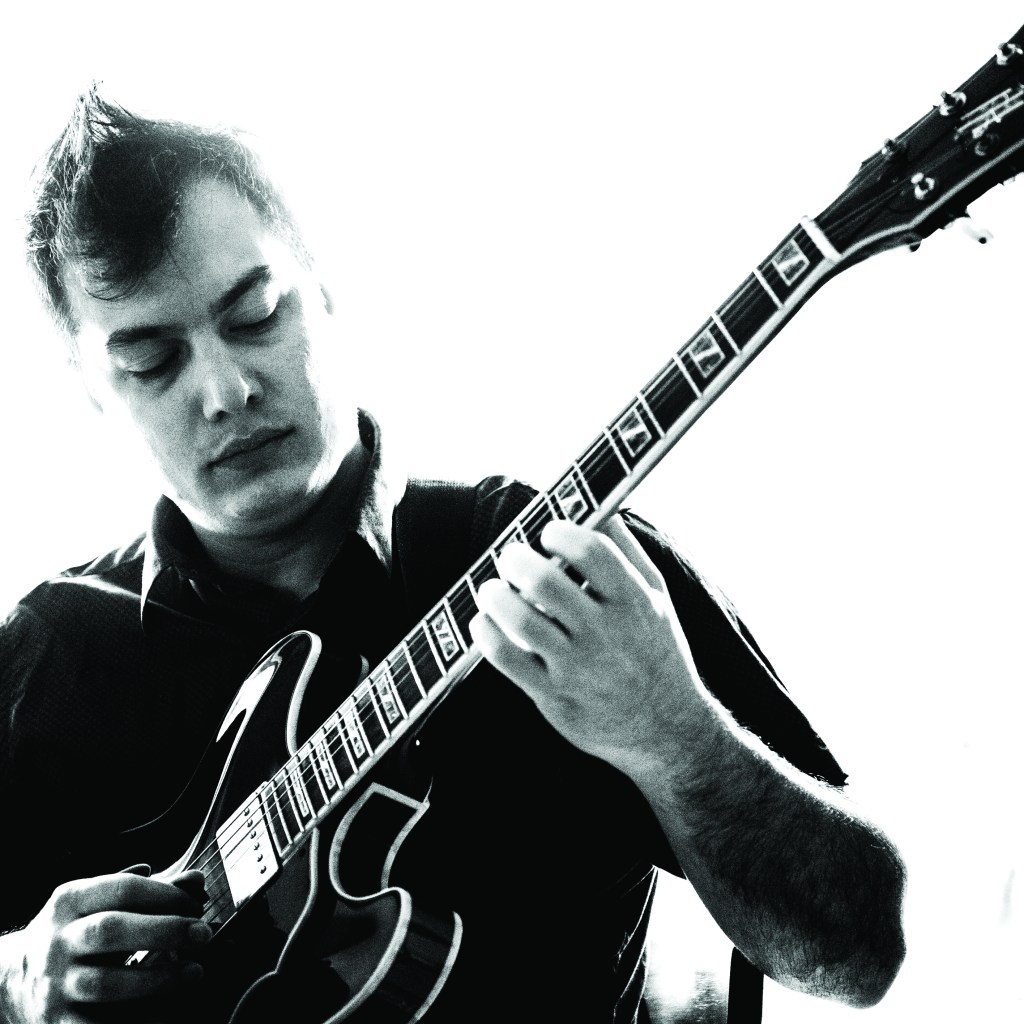
Importance of warm up for musicians
Warm-up exercises are essential for any guitarist, as they help prepare both the mind and body for a productive practice or performance session. Here are some key reasons why warming up is important for guitarists:
- Physical Preparation: Playing the guitar requires dexterity, strength, and coordination. Performing warm-up exercises can help loosen up your fingers, wrists, and arms, improving blood flow to these areas. This helps prevent muscle strain and enhances your ability to play smoothly and effortlessly.
- Technical Development: Warm-up exercises provide an opportunity to focus on specific techniques such as fingerpicking, alternate picking, or legato playing. By starting your practice session with these exercises, you can gradually build up your technical skills and improve your overall guitar playing abilities.
- Mental Focus: Warming up not only prepares your physical body but also helps sharpen your mental focus. It allows you to set aside distractions and enter a state of concentration, ready to fully engage with your guitar practice or performance. This mental preparation can greatly enhance your musical expression and creativity.
- Injury Prevention: Like any physical activity, playing the guitar can potentially lead to repetitive strain injuries if proper precautions aren’t taken. Warming up before playing helps increase your body’s flexibility and decreases the risk of muscle strains, tendonitis, or other common guitar-related injuries.
- Optimal Performance: When you warm up properly, you set a positive foundation for your guitar playing. Your hands, fingers, and mind become more attuned to the instrument, allowing you to perform at your best. Whether you are rehearsing, recording, or performing live, a warm-up routine ensures that you can deliver your music with confidence and precision.
Remember, warming up should be customised based on your skill level, playing style, and individual needs. Consult with a guitar teacher or experienced guitarist to develop a warm-up routine tailored to your specific goals and abilities. Happy playing!
Alternate Picking
Alternate picking is a technique used in guitar playing (particularly for stringed instruments like electric and acoustic guitars) to efficiently and smoothly alternate between picking strokes in both directions, up and down. It involves using a combination of downward and upward strokes with the pick to strike the strings.
The purpose of alternate picking is to achieve speed, accuracy, and fluidity in playing melodies, scales, and other guitar techniques. By using alternate picking, guitarists can maintain a consistent rhythm and avoid unnecessary hand movements.
To execute alternate picking, the guitarist starts with a downward pick stroke and follows it with an upward stroke, continuing this pattern in a consistent and fluid motion. This technique allows the player to efficiently strike the strings while minimizing the effort required for each stroke. It is commonly used in various genres like rock, metal, jazz, and bluegrass.
Alternate picking is an essential skill for guitarists looking to enhance their speed and precision. It can be practiced through various exercises and patterns, gradually increasing the tempo to improve coordination and dexterity. With regular practice, guitarists can develop the ability to perform intricate and fast passages with ease.
 Barbod Valadi